Report Summer Academy for Pluralist Economics
PLUSA 2025 - Throwback
03 - 09 August 2025 in Zeitz (near Leipzig)
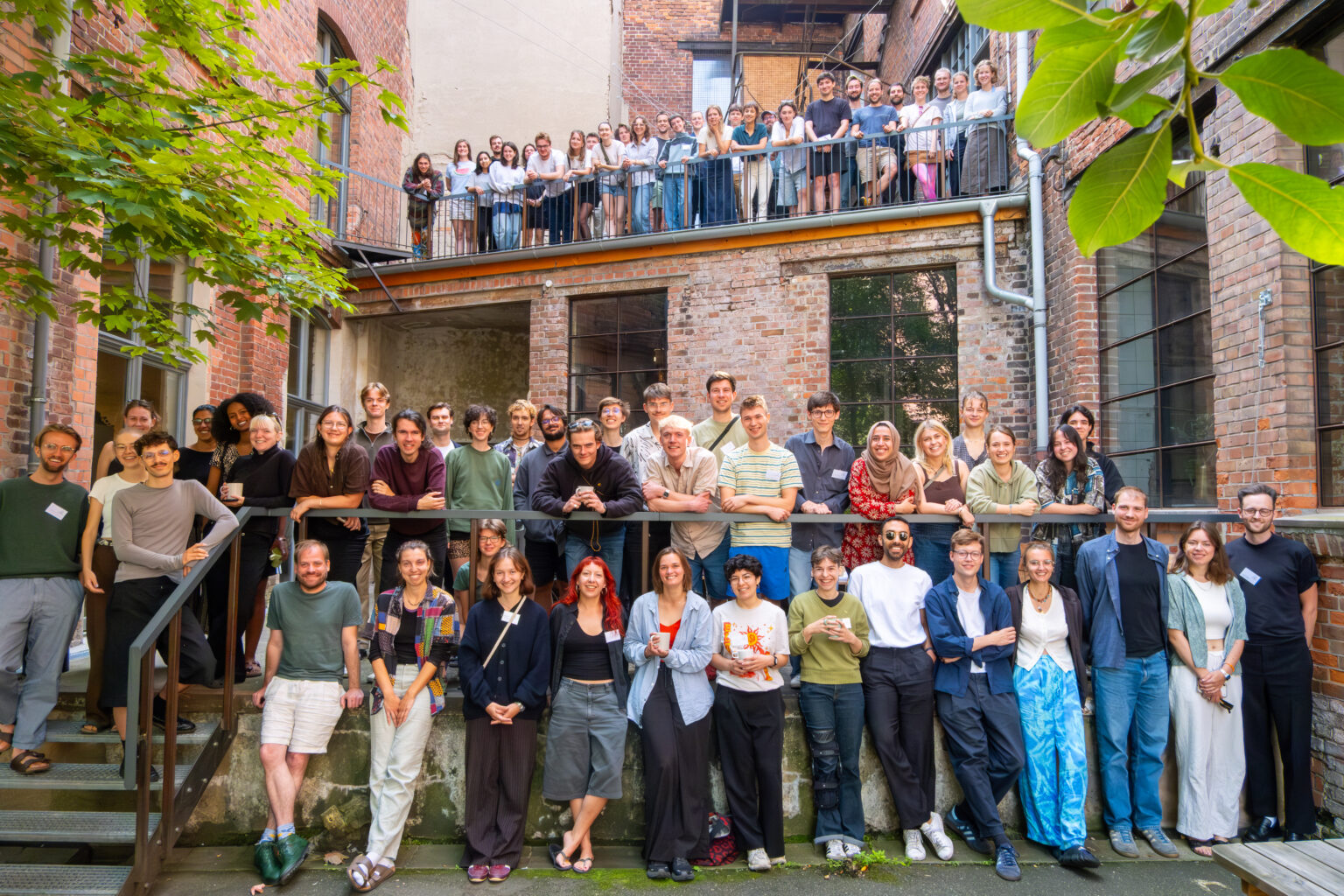
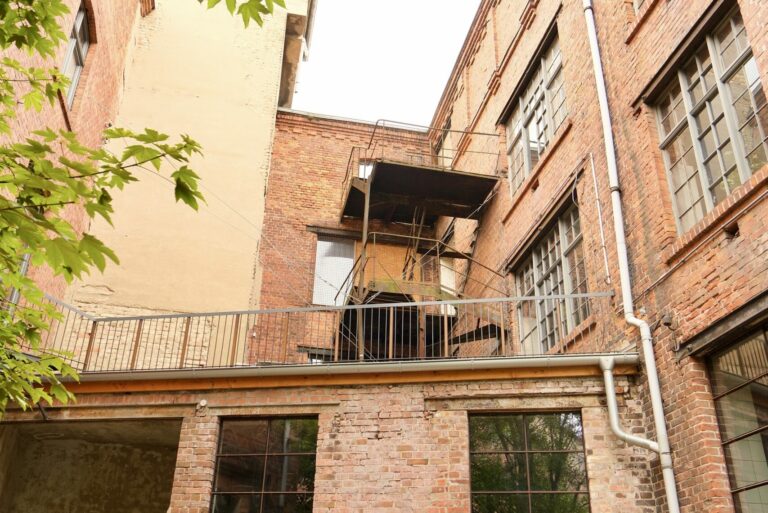
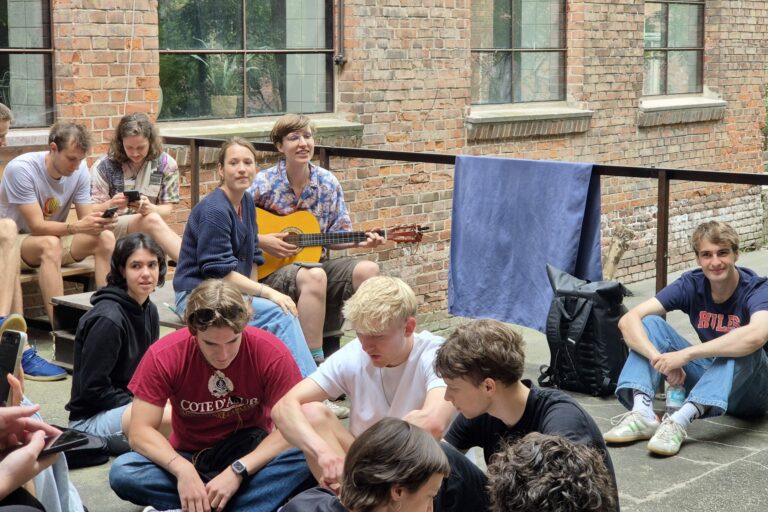
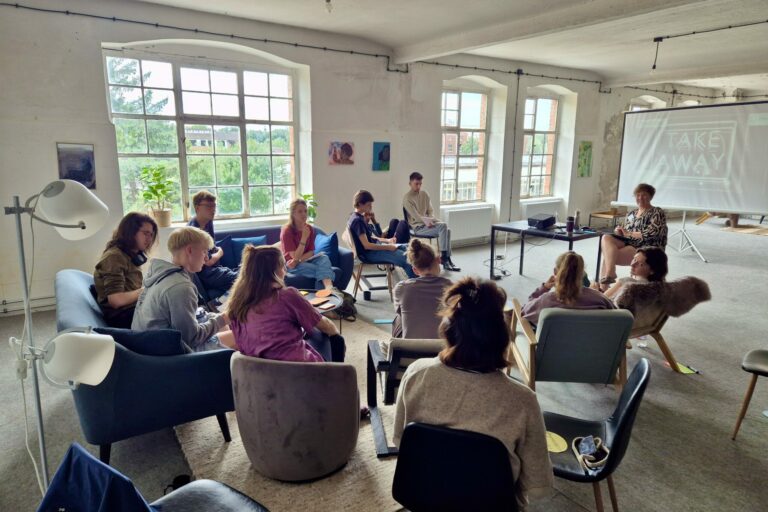
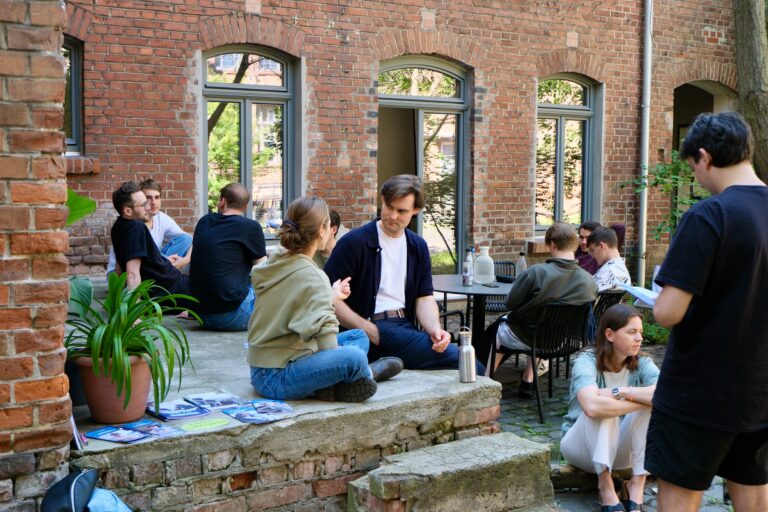
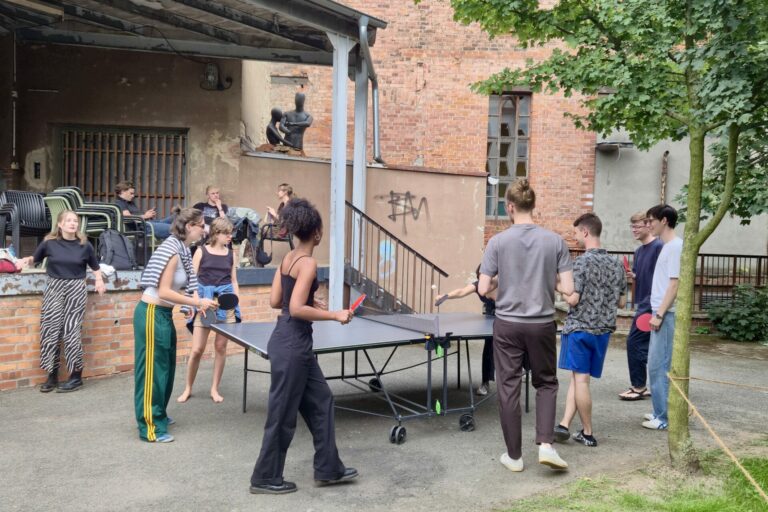
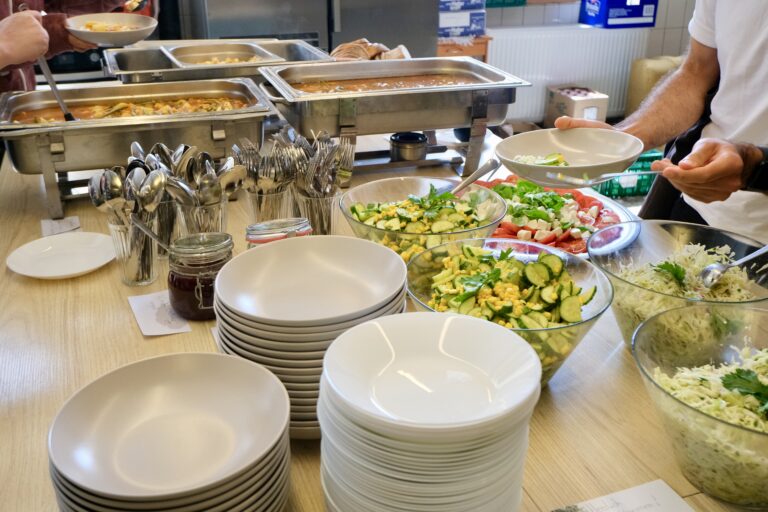
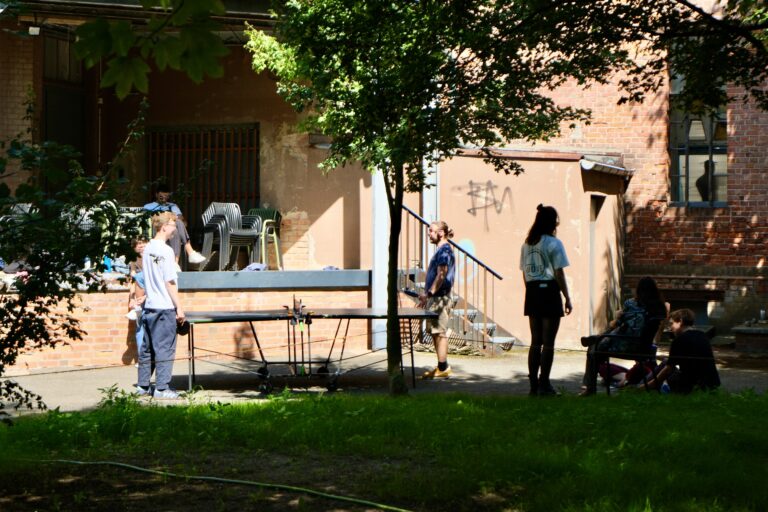
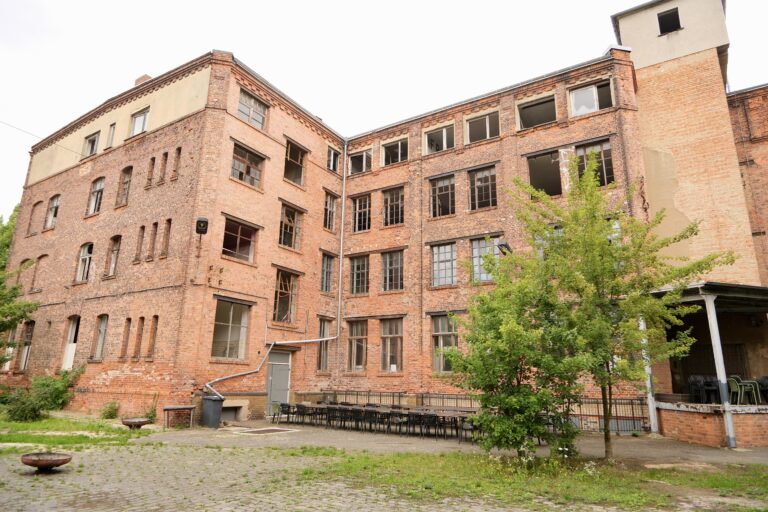
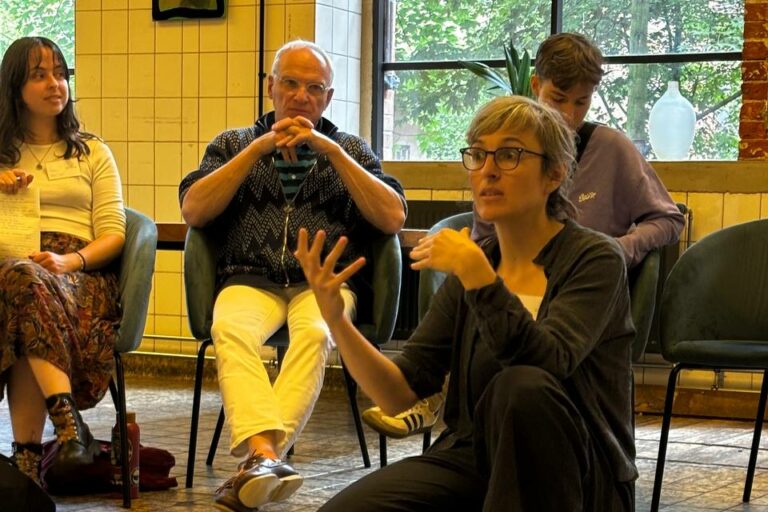
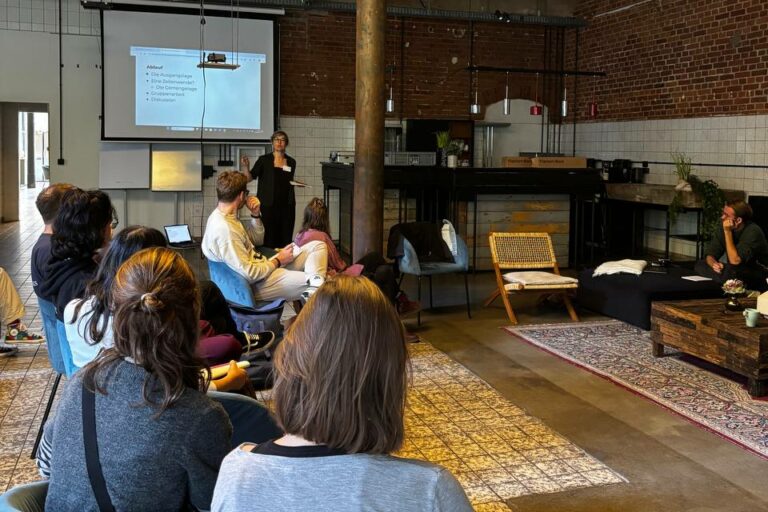
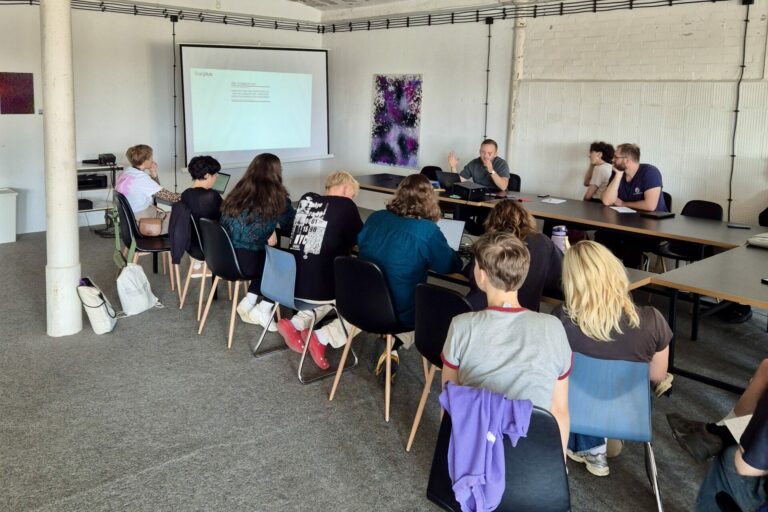
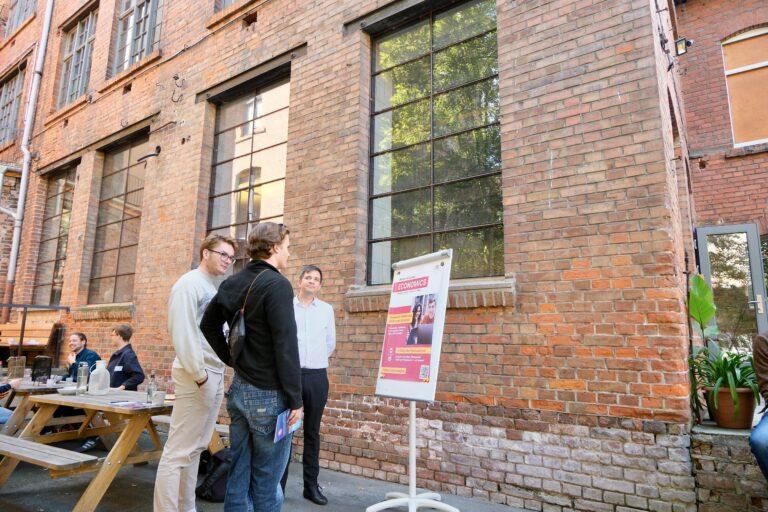
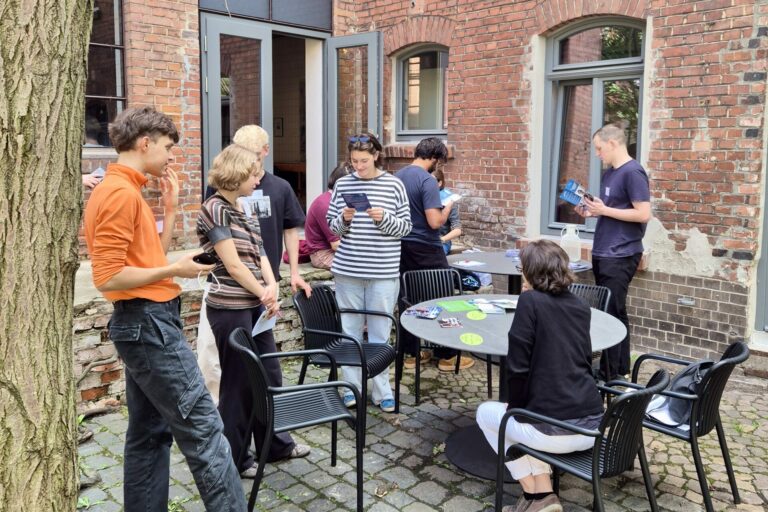
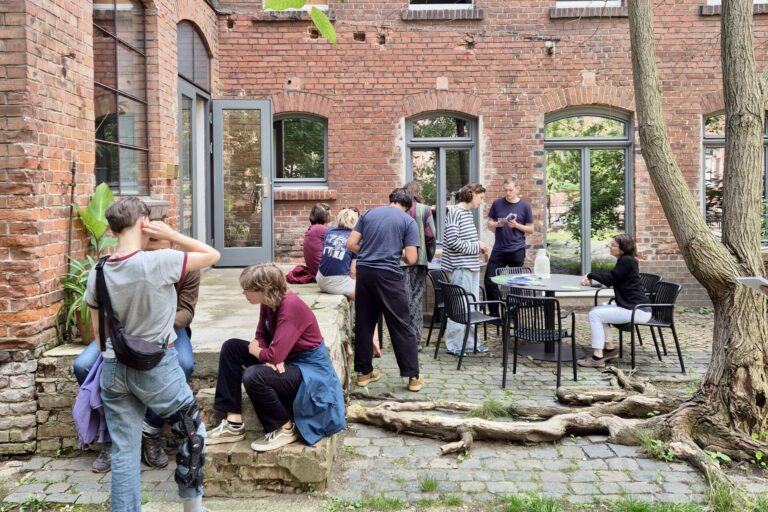
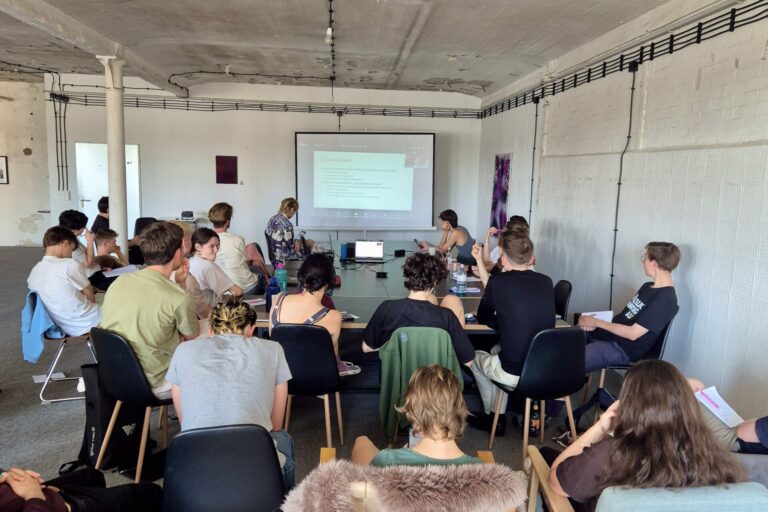
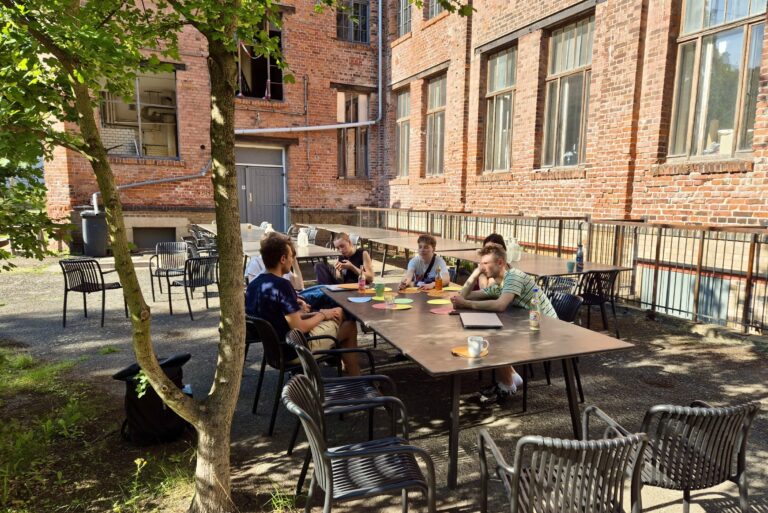
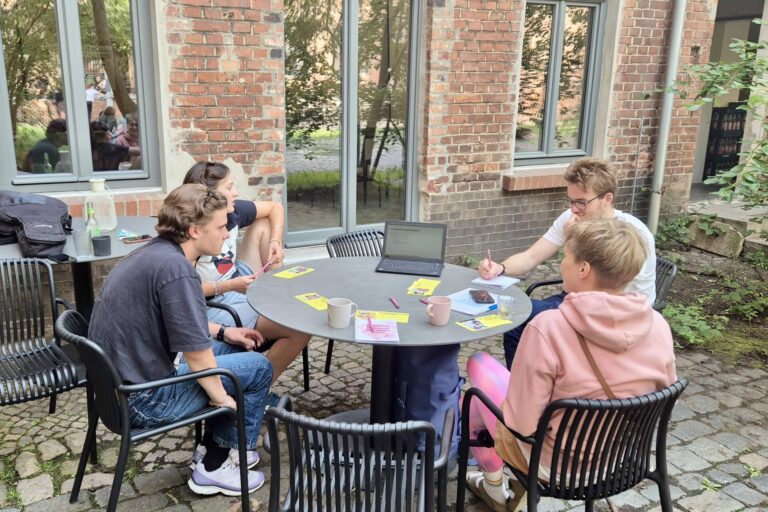
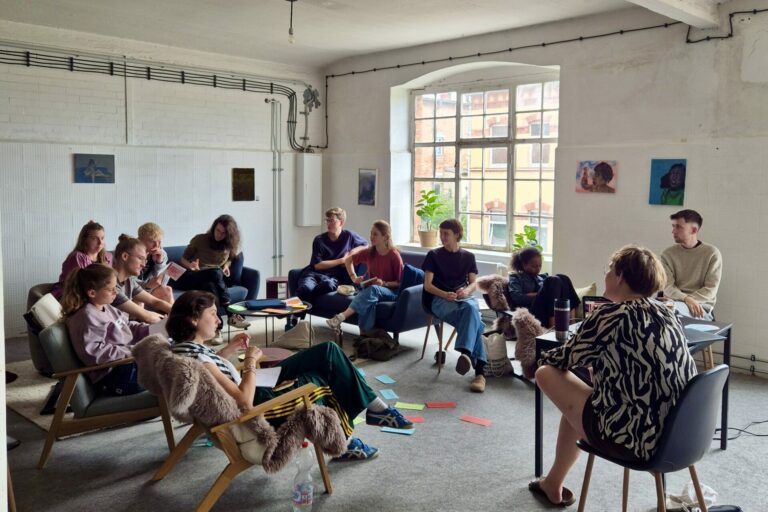
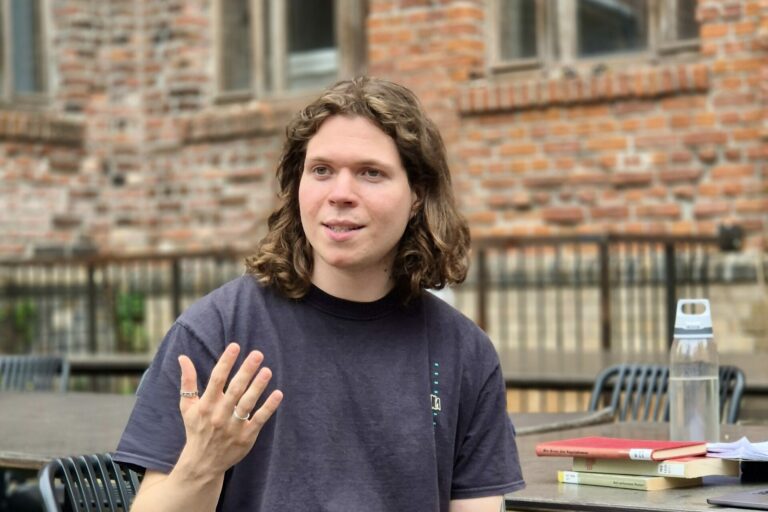
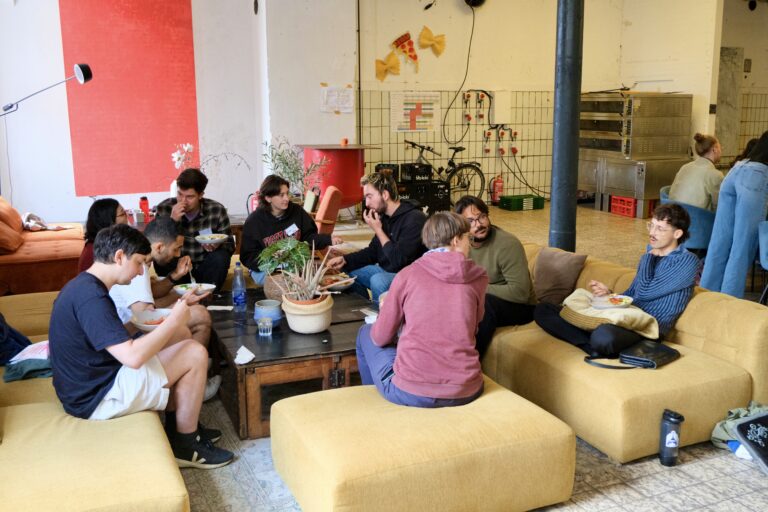
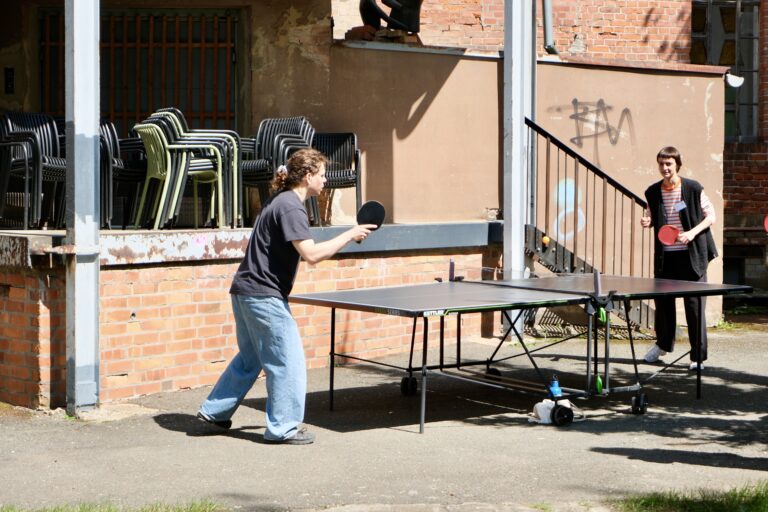
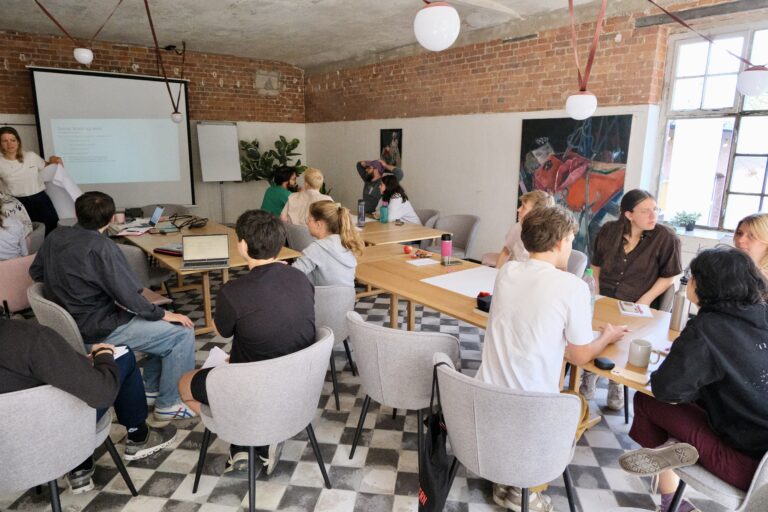
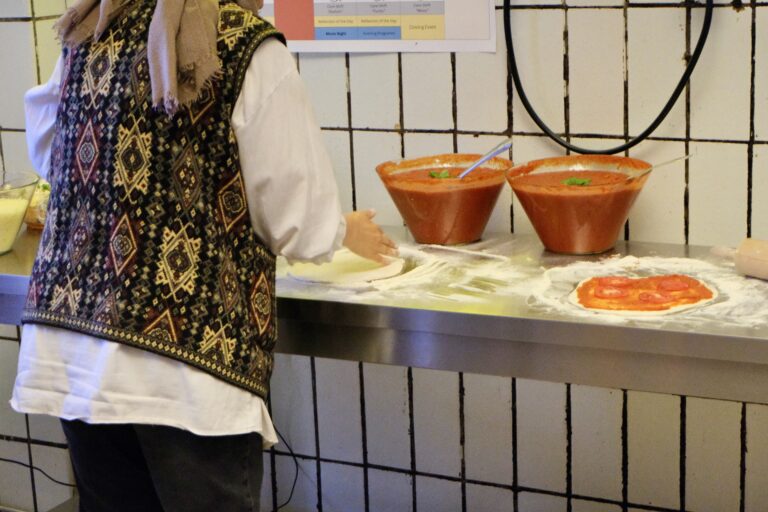
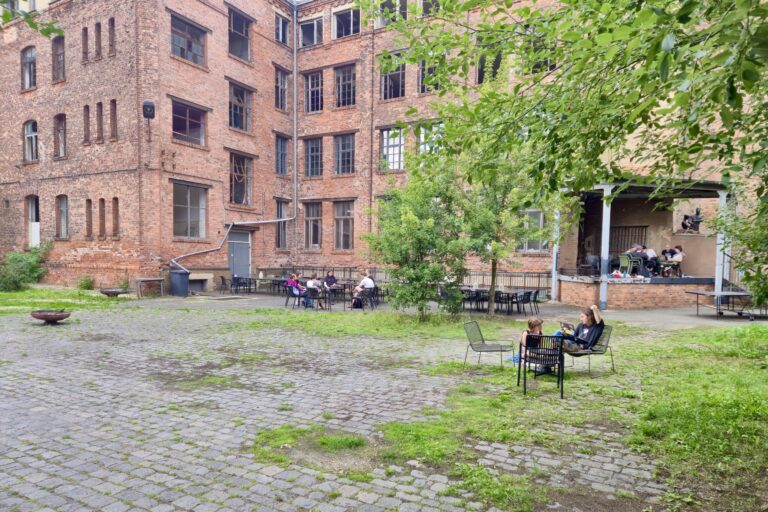
This year’s Pluralist Summer Academy brought together around 80 critical thinkers in the unique setting of the Alte Nudelfabrik in Zeitz. For several days, students and young researchers from different universities, along with practitioners and activists, came together to learn, question, and reimagine economics. All participants arrived with a lot of enthusiasm and excitement to explore pluralist perspectives on economic policy – and left with fresh perspectives, valuable insights, and a sense of empowerment. Across twenty-four workshops facilitated by lecturers and experts and a diverse program of side activities the Academy became a living space of dialogue, exchange, and utopian imagination. Supported by various partner universities and cooperating organizations (list follows), the Summer Academy showed what pluralist, transformative economics can mean for the next generation of thinkers and changemakers.


Monday & Tuesday
Setting the Stage
The Academy began with a focus on economic policy, transformation, and new perspectives on global challenges. Workshops and deep dives invited participants to critically engage with the roots of economic thought, to question dominant paradigms, and to experiment with alternative models of society and economy. Through interactive methods, theoretical inputs, and collaborative reflections, the first days set the stage: economics was not treated as a technical field, but as a space of politics, ethics, and imagination.
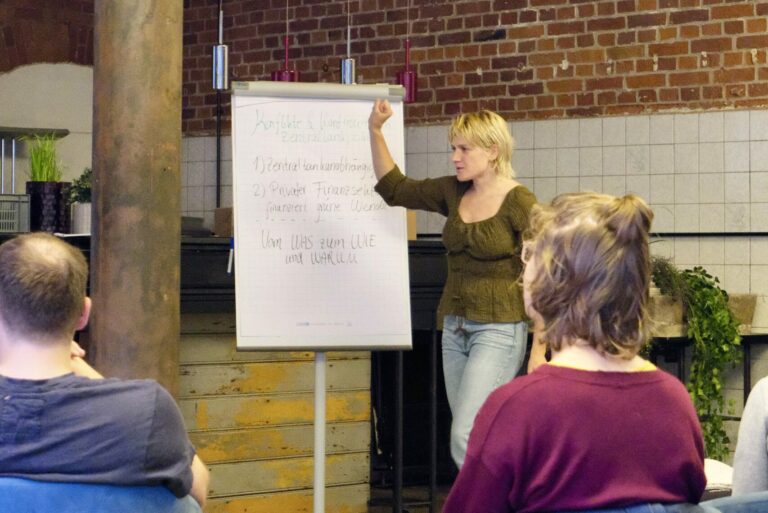
On Monday, participants explored a wide range of critical economic perspectives through seven workshops and several deep dive sessions. Topics included ecological economics and social metabolism, postcolonial theory and global inequality, and the political nature of money in the context of inflation, digital currencies, and sustainability. Further sessions addressed intergenerational justice, fiscal policy, and the contested debt brake in Germany, as well as the role of the World Trade Organization and its impact on the Global South. Participants also engaged with systems thinking inspired by Donella Meadows and discussed democratic economic planning as part of the “New Planning Debate.” The deep dive sessions complemented these workshops with insights into key texts of 21st-century political economy, neocolonial patterns in the global economy, and the challenges of making economic journalism more accessible. The day concluded with a book presentation of Dialogues for Degrowth, offering international and intersectional perspectives on post-growth futures.
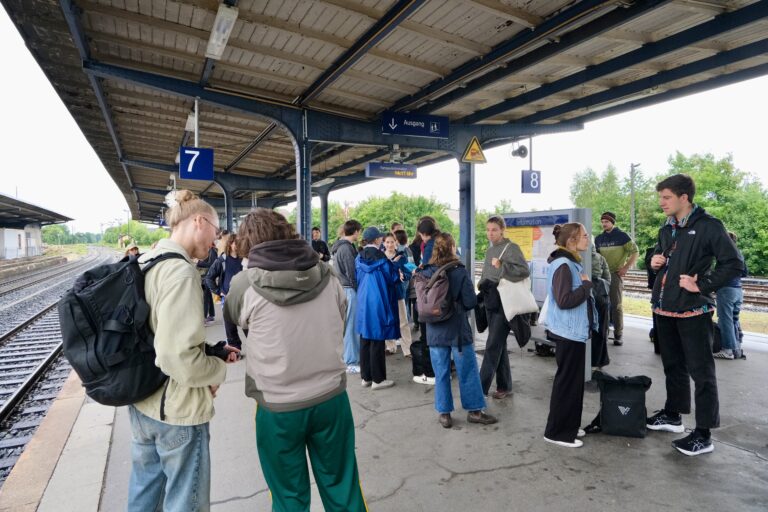
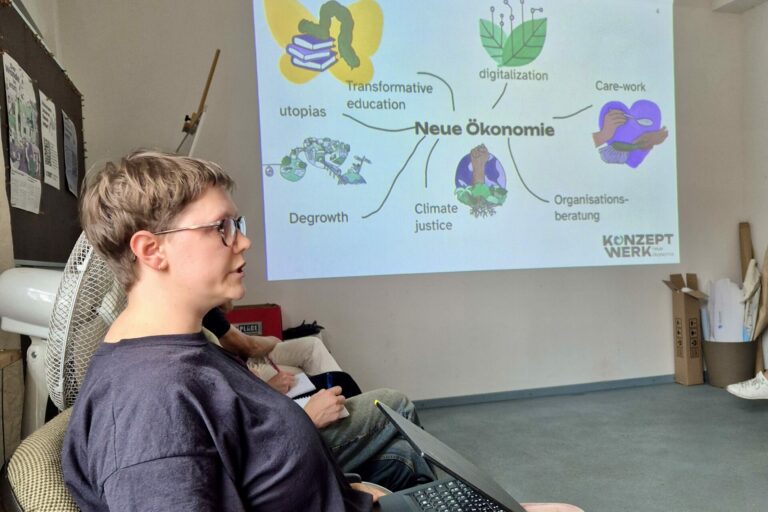
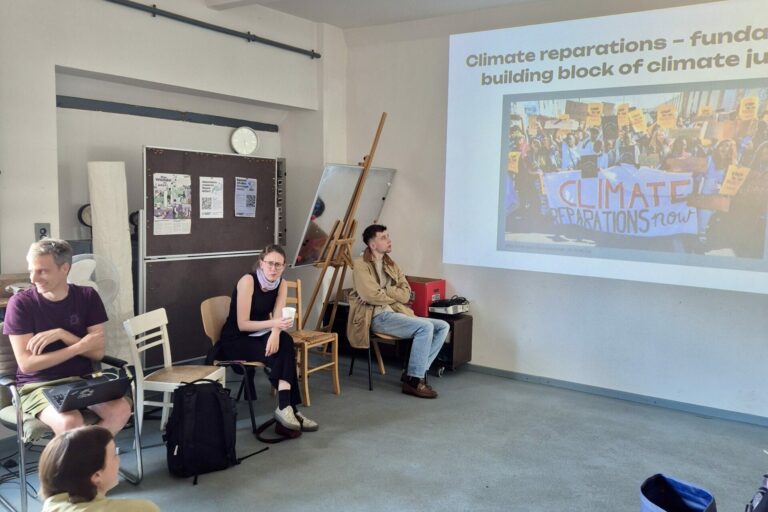
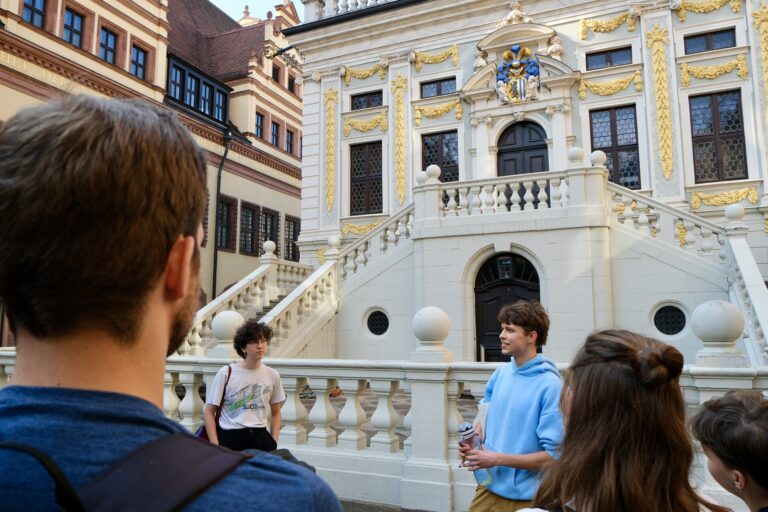
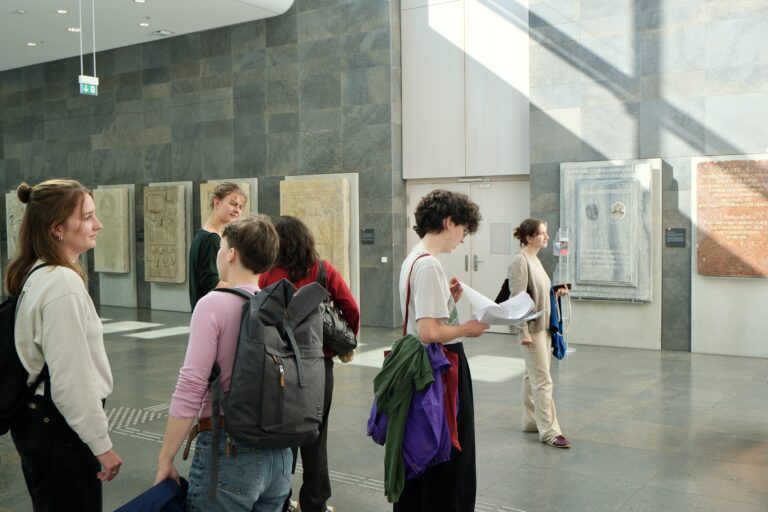
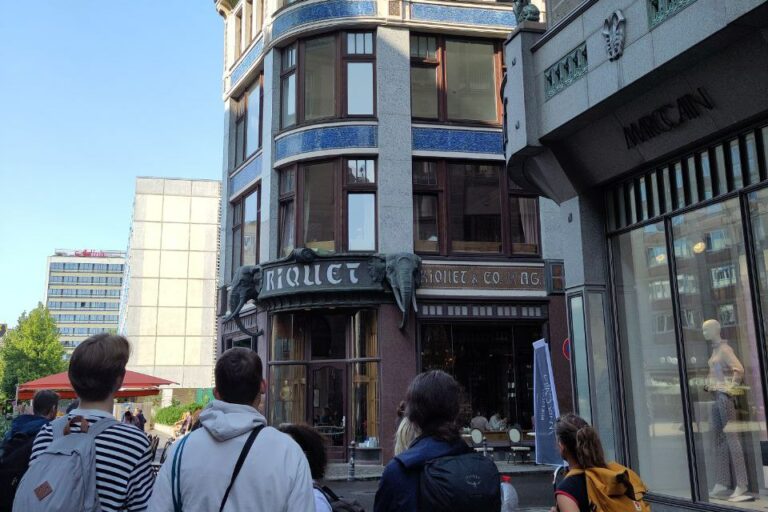
On Tuesday, participants continued this journey with four further workshops. An introduction to complexity economics provided insights into systems thinking and modeling tools. A second workshop examined Isabella Weber’s analysis of price shocks, comparing China’s post-Mao economic reforms with Western inflation responses. Participants also explored European central banking, analyzing the political dimensions of monetary policy and its role in climate goals. In the Decolonizing Economics workshop, key concepts of mainstream economics were critically assessed in light of socio-ecological justice, drawing from feminist, ecological, and Marxian schools of thought. In the afternoon, on our excursion to Leipzig, participants explored the intersections of history, colonialism, and social movements in a very tangible way. Some attended a talk on climate reparations between Cameroon and Germany at Konzeptwerk Neue Ökonomie. Simultaneously, various walking tours explored Leipzig’s colonial history, the origins of the German women’s movement, and the city’s post-reunification economic development. Together, these experiences connected global debates with local places and struggles, reminding everyone that questions of justice and transformation are deeply rooted in lived histories.
Wednesday
At the Edge of Change
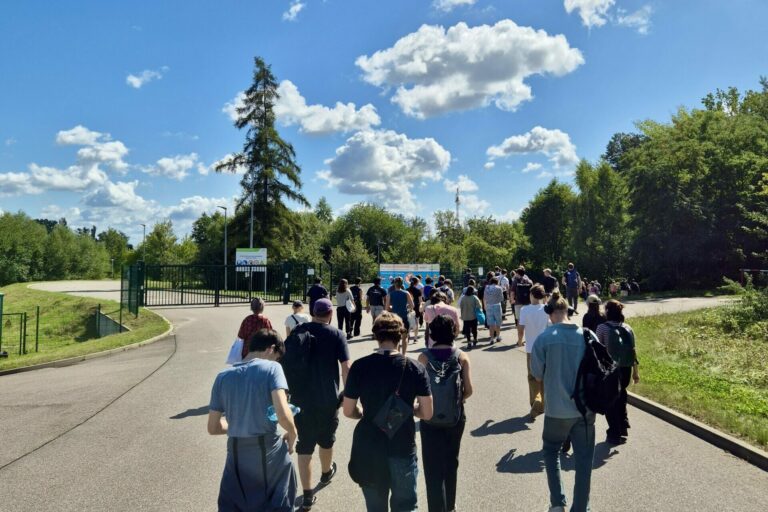
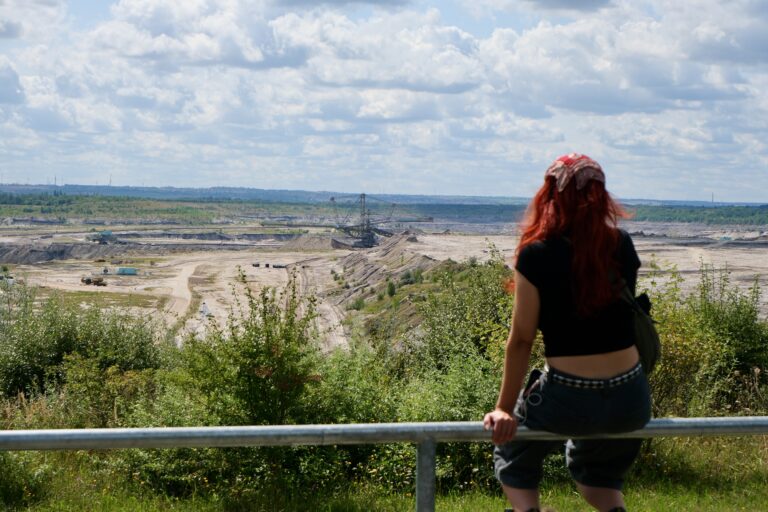
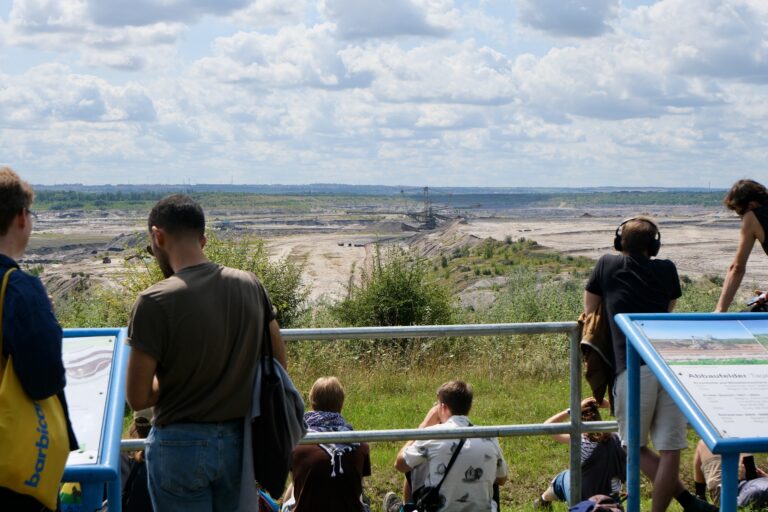
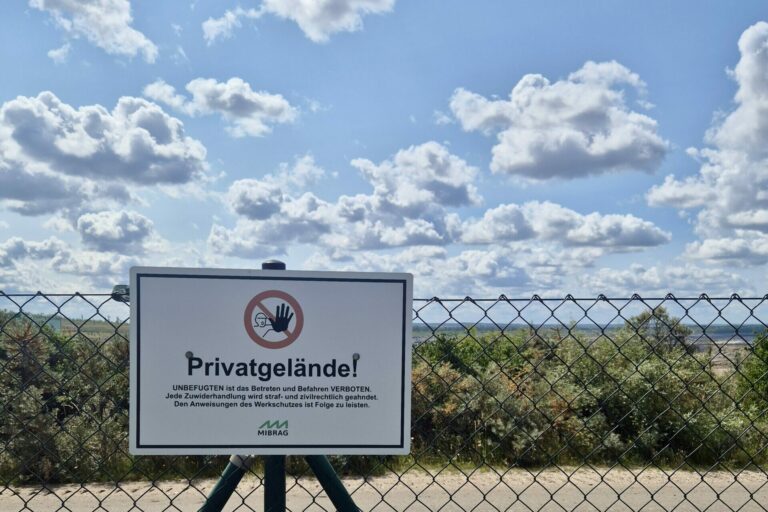
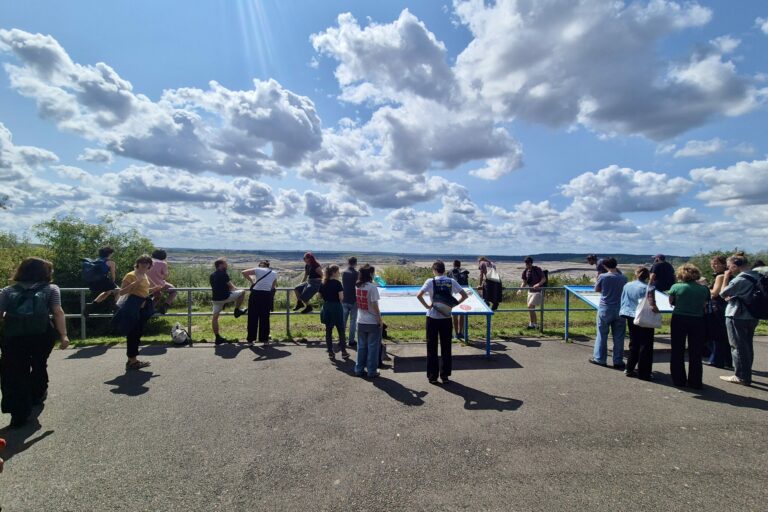
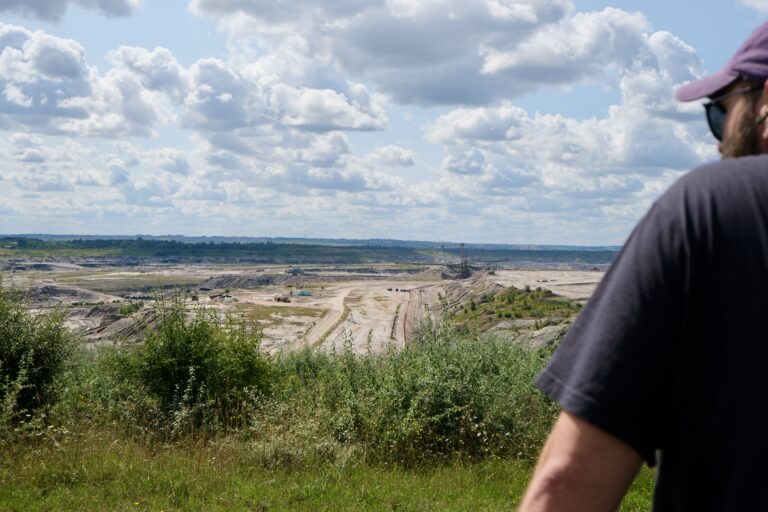
One of the week’s highlights was the “walkshop” at the Schwerzau mining field near the Profen open-cast lignite mine. Standing at the edge of an active mine, between forest and pit, participants listened to podcasts on coal history, structural change, activism, and the cultural dimensions of the coal phase-out. Conversations unfolded naturally while walking, with the landscape itself as a backdrop for reflection.
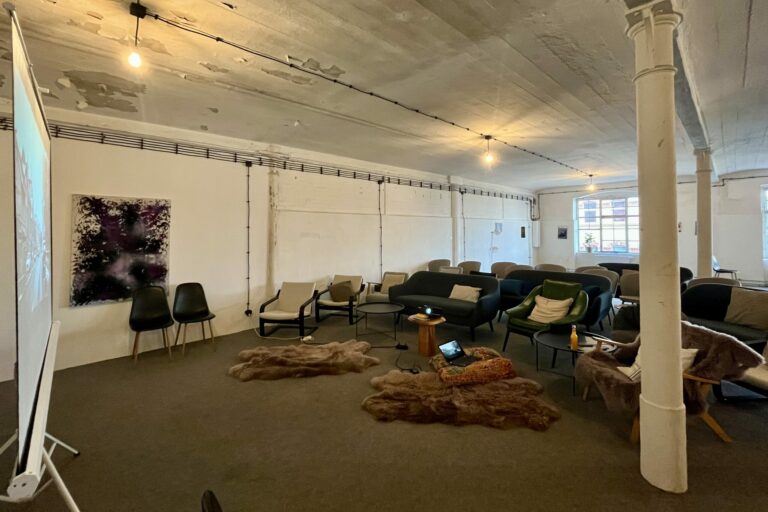
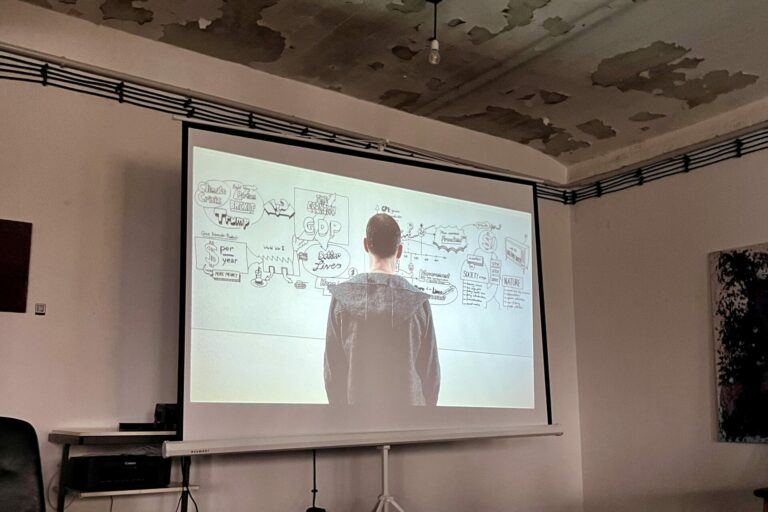
In the afternoon, discussions turned toward the climate crisis, structural transformation, and global dimensions of inequality and activism. Additionally, the Economists for Future presented their work. The day concluded with a film screening of Purpose, followed by a conversation with filmmaker Martin Oetting. Together, we explored visions of economies beyond GDP growth — systems that serve people and planet rather than the other way around.
Thursday
Exploring Alternatives
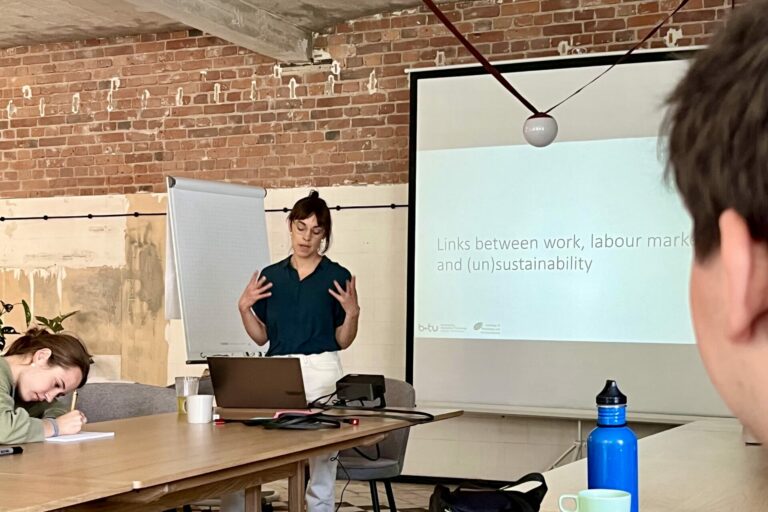
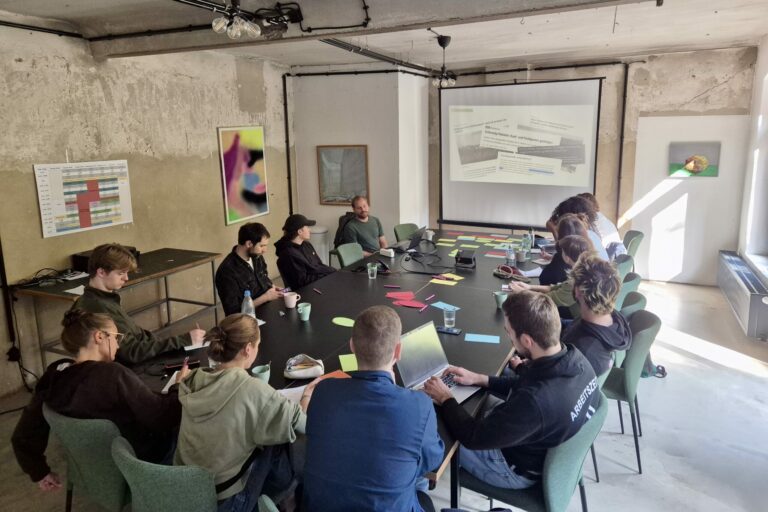
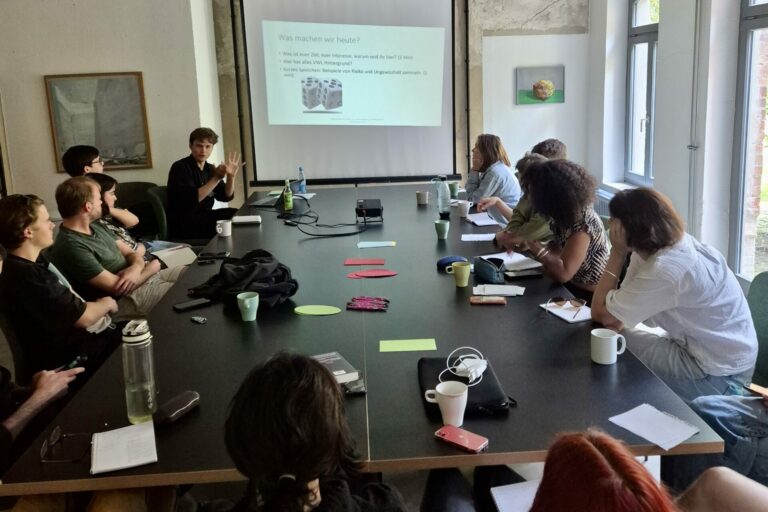
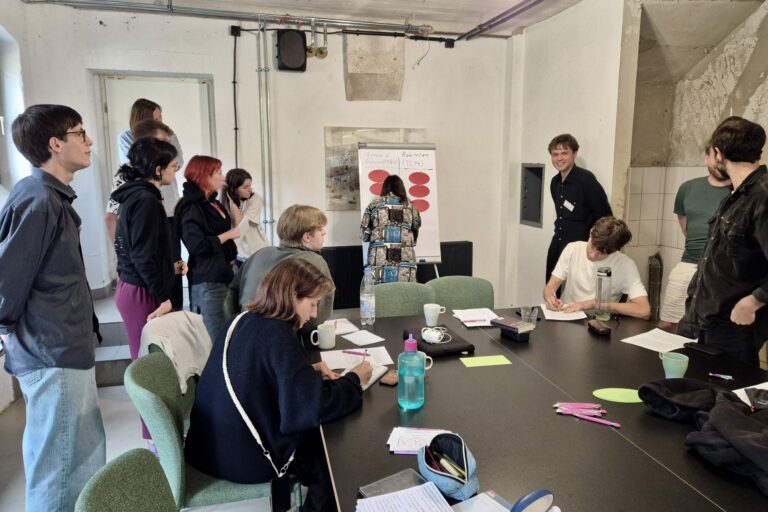
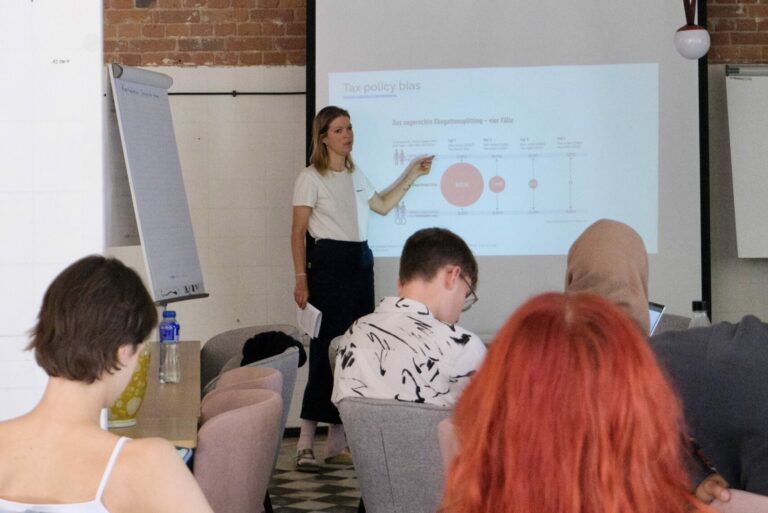
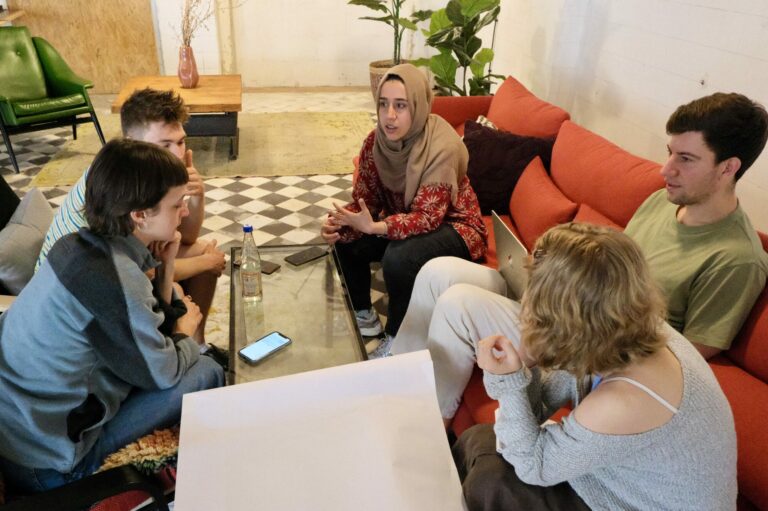
Thursday offered the Academy’s widest range of parallel workshops. Topics ranged from how economists think about politics to the potential of post-growth societies, the overlooked role of land in economic theory, feminist fiscal policy, and the challenge of uncertainty versus risk in economic decision-making. Another workshop on social-ecological labor market policy sparked lively debate on how employment structures might be transformed through shorter working hours, job guarantees, or universal basic income.
In the afternoon, the group joined a hybrid session with Perry Mehrling (Boston University), who introduced the “money view” as a framework for understanding modern financial systems and their political implications. This wide spectrum of approaches illustrated the richness of pluralist economics — grounded in theory, but always with an eye toward social-ecological transformation.
Friday
Philosophy, Feminism, and Action
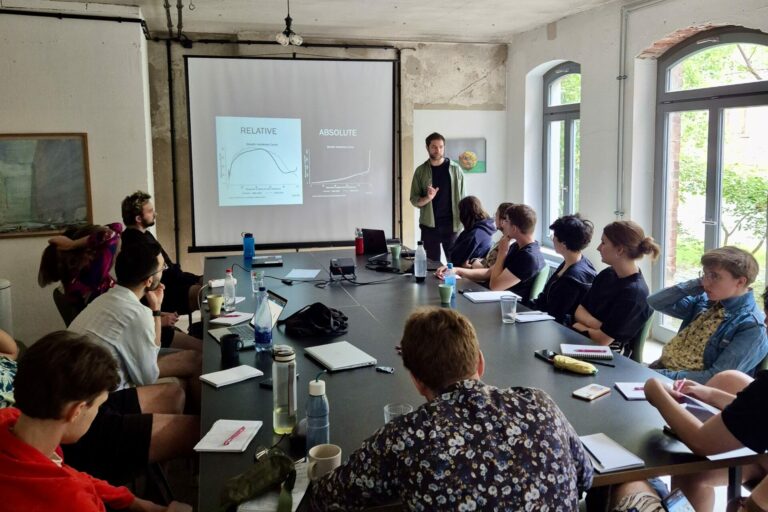
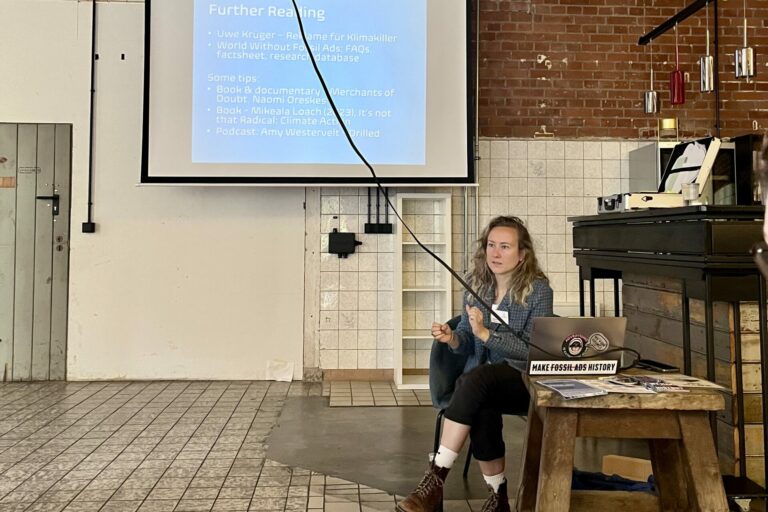
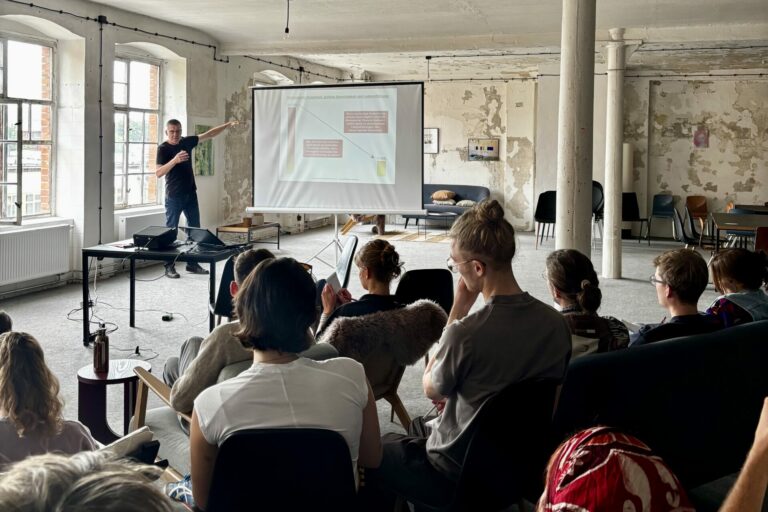
The final day brought deep reflections and forward-looking action. Workshops explored the normative foundations of inequality measurement, an introduction to the philosophy of economics, and the critical lens of materialist (queer) feminism, linking questions of love, work, and resistance. Activist energy was palpable in a session on post-growth in action, where participants learned from the Dutch NGO Reclame Fossielvrij how to fight fossil fuel advertising and win political bans. A workshop on post-growth economics, led by Niko Paech, opened space for imagining alternative pathways of transformation.
Looking Back – and Ahead
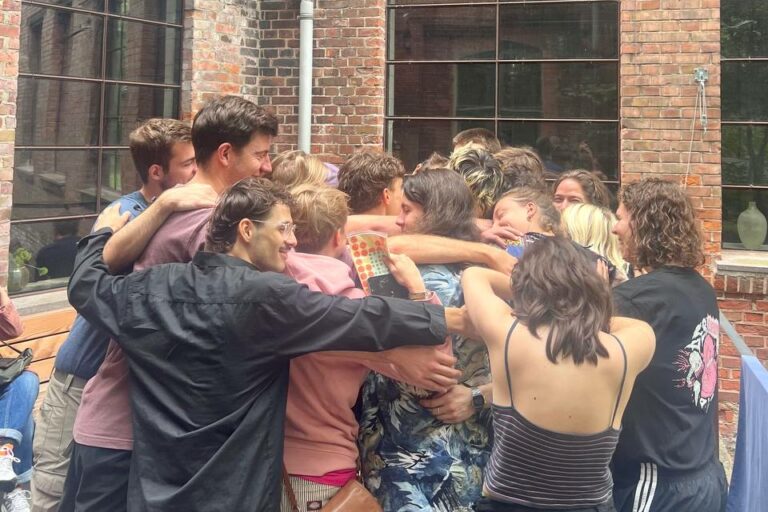
Over the course of the week, the Pluralist Summer Academy became more than a series of workshops. It was a community of learning and imagination, where students from diverse backgrounds and universities met experts, activists, and practitioners. Together, they created a shared space of curiosity, solidarity, and utopian thinking.
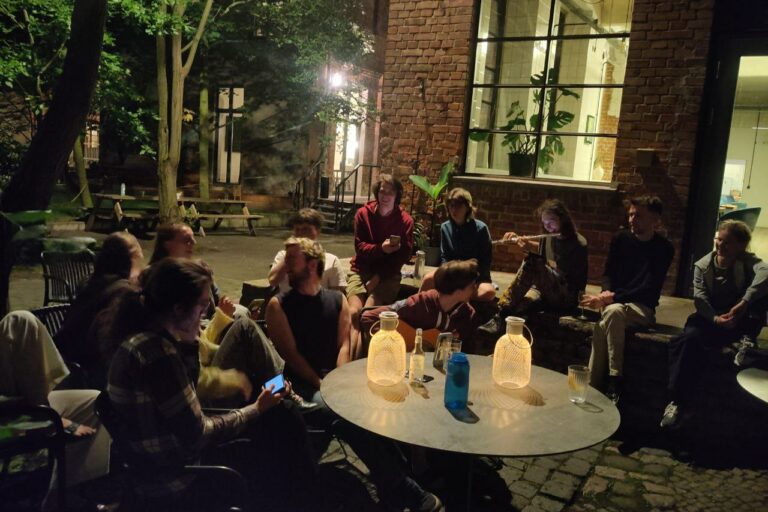
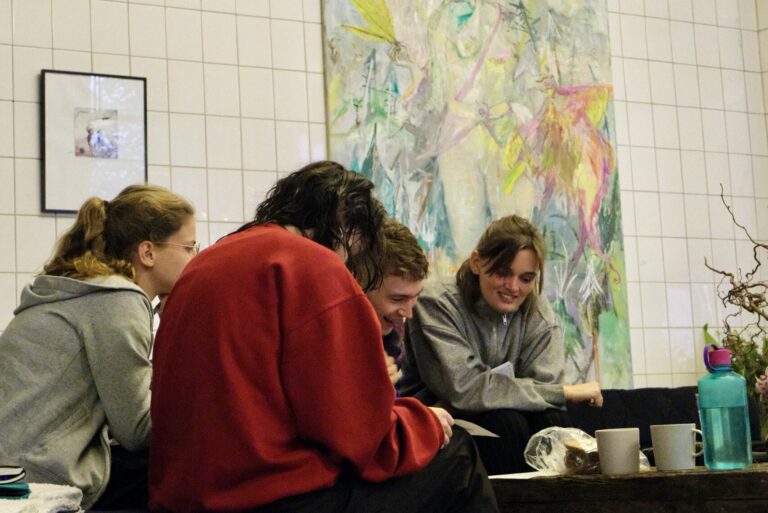
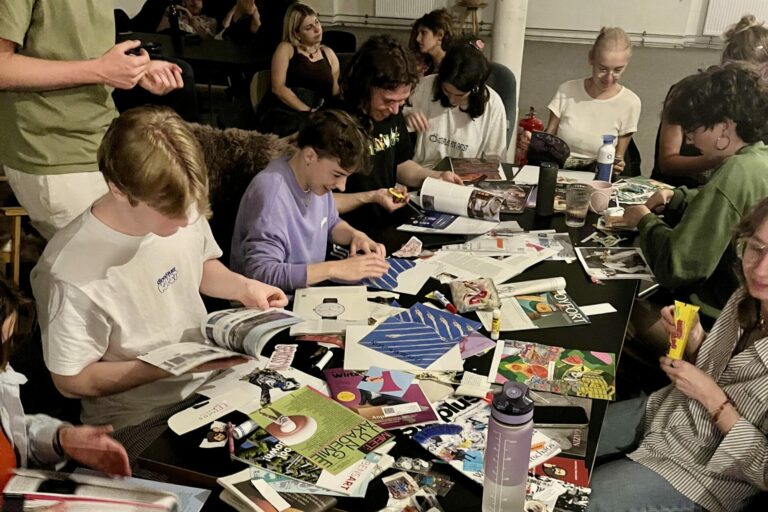
Beyond the formal program, participants themselves became knowledge-sharers and co-creators of the Academy’s spirit. In informal sessions and evening exchanges, they contributed insights on for example LGBTQ+ issues in economics, deep canvassing, socialization and ownership debates, design thinking, globalization and inequality, the constitutional debt limit in Poland. Others brought in elements of dance, creativity, and artistic expression, reminding everyone that learning and transformation are not only intellectual but also cultural and emotional processes. This vibrant exchange underscored that the Academy was not a one-way transfer of knowledge, but a collective experiment in mutual learning and imagination.
What remains is not only knowledge gained, but also the experience of collective empowerment: the realization that economics can be questioned, reshaped, and reimagined — and that the young generation is ready to take on this task. In the Alte Nudelfabrik in Zeitz, we experienced a glimpse of the future we want: pluralist, caring, and full of possibility.

Thank you!
We want to thank the following universities and organizations for our valuable cooperation:
TU Chemnitz
Universität Duisburg-Essen
Universität Witten-Herdecke
BTU Cottbus-Senftenberg
Universität Hamburg
Universität Witten-Herdecke
Europa-Universität Flensburg
Universität Siegen
Universität Kassel
Karlshochschule International University
Hochschule für Gesellschaftsgestaltung
HTW Berlin
UAB Barcelona
Canopus Foundation
Surplus Magazin
Omnipolis Media GmbH
Reclame Fossil Frij
Konzeptwerk Neue Ökonomie
Leipzig Postkolonial
Louise-Otto-Peters-Gesellschaft e.V.
PLUSA 2025 is made possible by